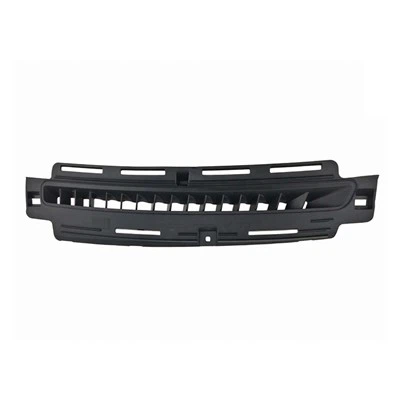
Polycarbonate (PC) is a high-performance thermoplastic known for its exceptional impact resistance, transparency, and heat resistance. As a Polycarbonate Injection Molding supplier, selecting the right injection molding machine is crucial to ensure the quality and efficiency of the production process. In this blog, we will explore the types of injection molding machines that are suitable for polycarbonate and how they can meet the specific requirements of PC processing.
Understanding the Characteristics of Polycarbonate
Before delving into the suitable injection molding machines, it is essential to understand the unique characteristics of polycarbonate. Polycarbonate has a relatively high melting point, typically around 220 - 260°C, and a high viscosity when molten. It also has a tendency to absorb moisture, which can lead to defects such as splay or bubbles in the molded parts if not properly dried. Additionally, polycarbonate requires precise temperature control during the injection molding process to maintain its mechanical and optical properties.
Types of Injection Molding Machines for Polycarbonate
1. Hydraulic Injection Molding Machines
Hydraulic injection molding machines are one of the most common types used for polycarbonate processing. They offer several advantages that make them suitable for PC molding:
- High Clamping Force: Polycarbonate parts often require a high clamping force to ensure proper filling and prevent flash. Hydraulic machines can provide the necessary clamping force, typically ranging from a few tons to several hundred tons, depending on the size and complexity of the mold.
- Good Pressure Control: Hydraulic systems allow for precise control of the injection pressure, which is crucial for filling the mold cavity evenly and achieving consistent part quality. This is especially important for polycarbonate, which has a high viscosity and requires sufficient pressure to flow into the mold.
- Versatility: Hydraulic injection molding machines can be used for a wide range of polycarbonate applications, from small, intricate parts to large, structural components. They can also accommodate different types of molds, including single - cavity and multi - cavity molds.
However, hydraulic machines also have some limitations. They tend to be less energy - efficient compared to other types of machines, and the hydraulic fluid may require regular maintenance.
2. Electric Injection Molding Machines
Electric injection molding machines have gained popularity in recent years, especially for polycarbonate molding. Here are their key advantages:
- Energy Efficiency: Electric machines are more energy - efficient than hydraulic machines because they only consume power when in operation. This can result in significant cost savings over the long term, especially for high - volume production.
- Precise Control: Electric drives offer extremely precise control of the injection speed, pressure, and position. This is essential for polycarbonate molding, as it allows for better control of the melt flow and reduces the risk of defects such as warping or flow lines.
- Clean and Quiet Operation: Electric machines do not use hydraulic fluid, which means they are cleaner and quieter than hydraulic machines. This is beneficial for both the working environment and the quality of the molded parts, as there is no risk of fluid contamination.
On the downside, electric injection molding machines are generally more expensive to purchase than hydraulic machines. They also have a limited clamping force compared to hydraulic machines, which may restrict their use for very large - scale polycarbonate molding.
3. Hybrid Injection Molding Machines
Hybrid injection molding machines combine the advantages of both hydraulic and electric systems. They typically use an electric drive for the injection unit and a hydraulic system for the clamping unit. This combination offers several benefits:
- High Clamping Force and Energy Efficiency: The hydraulic clamping unit provides the necessary high clamping force, while the electric injection unit offers energy - efficient and precise control of the injection process.
- Flexibility: Hybrid machines can be easily adjusted to meet the specific requirements of polycarbonate molding, such as different injection speeds and pressures. They are also suitable for a wide range of part sizes and complexities.
Considerations for Selecting an Injection Molding Machine for Polycarbonate
1. Machine Size and Capacity
The size and capacity of the injection molding machine should be selected based on the size and volume of the polycarbonate parts to be produced. For small - to medium - sized parts, a machine with a lower clamping force and injection volume may be sufficient. However, for large or complex parts, a machine with a higher clamping force and larger injection capacity is required.
2. Temperature Control
As mentioned earlier, polycarbonate requires precise temperature control during the injection molding process. The machine should be equipped with a reliable heating and cooling system to maintain the optimal temperature of the melt and the mold. This helps to ensure the quality and consistency of the molded parts.
3. Screw Design
The screw design of the injection molding machine plays a crucial role in the plasticizing and injection of polycarbonate. A screw with a proper compression ratio and length - to - diameter ratio is necessary to ensure efficient melting and homogenization of the polycarbonate resin.
4. Mold Compatibility
The injection molding machine should be compatible with the mold used for polycarbonate molding. This includes considerations such as the mold size, the number of cavities, and the type of gating system. The machine should be able to provide the necessary clamping force and injection pressure to fill the mold cavity properly.
Applications of Polycarbonate Injection Molding
Polycarbonate injection molding is widely used in various industries, including automotive, electronics, and consumer goods. Here are some examples of polycarbonate products:
- Structural Injection Molded Parts: Polycarbonate is often used to produce structural parts in the automotive industry due to its high strength and impact resistance. These parts can include bumper beams, instrument panels, and door panels.
- Wireless Charging for Vehicles: Polycarbonate's excellent electrical insulation properties make it suitable for use in wireless charging systems for vehicles. It can be molded into the housing and components of the charging device.
- Car Interior Buttons: Polycarbonate is commonly used to manufacture car interior buttons because of its transparency, durability, and aesthetic appeal. The buttons can be molded in various shapes and colors to meet the design requirements of the vehicle.
Conclusion
Selecting the right injection molding machine for polycarbonate is essential for achieving high - quality and efficient production. Hydraulic, electric, and hybrid injection molding machines each have their own advantages and limitations, and the choice depends on the specific requirements of the polycarbonate parts to be produced. By considering factors such as machine size, temperature control, screw design, and mold compatibility, you can ensure that the injection molding process runs smoothly and produces high - quality polycarbonate products.


If you are interested in polycarbonate injection molding and would like to discuss your specific requirements, please feel free to contact us for a detailed consultation. We are committed to providing you with the best solutions for your polycarbonate molding needs.
References
- Throne, J. L. (1996). Thermoplastic Molding: Materials, Processing, and Applications. Marcel Dekker.
- Osswald, T. A., & Turng, L. - S. (2007). Injection Molding Handbook. Hanser Publishers.