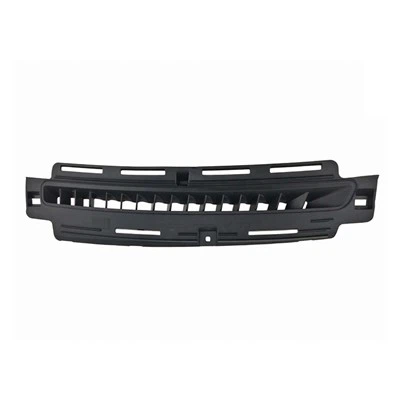
Are there any safety standards for instrument enclosures?
As a supplier of Instrument Enclosures, I've often been asked about the safety standards that govern these essential components. Instrument enclosures serve as protective barriers for various instruments, safeguarding them from environmental factors, physical damage, and electrical hazards. In this blog post, I'll explore the safety standards that are crucial for instrument enclosures and how they impact our products.
Importance of Safety Standards
Safety standards for instrument enclosures are not just a set of rules; they are the foundation of product reliability and user safety. These standards ensure that enclosures can withstand the rigors of their intended environments, protect the instruments inside, and prevent potential hazards to users. Whether it's in a industrial setting, a laboratory, or a consumer product, the safety of the enclosure is paramount.
International and National Standards
There are several international and national standards that apply to instrument enclosures. One of the most well - known is the International Electrotechnical Commission (IEC) standard. The IEC 60529 standard defines the degree of protection provided by enclosures against the ingress of solid objects (such as dust) and water. This standard is expressed in the form of an IP (Ingress Protection) code, for example, IP65, where the first digit represents protection against solids and the second against liquids. An IP65 enclosure is dust - tight and protected against water jets from any direction.
In the United States, the National Electrical Manufacturers Association (NEMA) has its own set of standards for enclosures. NEMA ratings are used to describe the suitability of enclosures for different environmental conditions. For instance, NEMA 4 enclosures are designed for indoor or outdoor use and provide protection against wind - blown dust, rain, sleet, and hose - directed water.
Material Safety
The materials used in instrument enclosures also play a significant role in safety. Enclosures are commonly made from plastics, metals, or a combination of both. When it comes to plastics, they must meet certain flammability standards. For example, the Underwriters Laboratories (UL) 94 standard classifies the flammability of plastic materials. Materials with a UL 94 V - 0 rating are considered to have a high level of fire resistance, as they stop burning within a short time after the ignition source is removed.
Metallic enclosures, on the other hand, need to be corrosion - resistant, especially in harsh environments. Stainless steel is a popular choice for its durability and resistance to rust. Additionally, metallic enclosures must be properly grounded to prevent electrical shock hazards.
Design and Construction Safety
The design and construction of instrument enclosures are critical for safety. Enclosures should be designed to prevent the entry of foreign objects and liquids, and they should have proper ventilation to prevent overheating of the instruments inside. For example, ventilation holes should be designed in such a way that they do not compromise the ingress protection rating.
The construction of the enclosure should also ensure that it can withstand mechanical stress. This includes the ability to resist impacts, vibrations, and pressure changes. For example, in industrial settings where heavy machinery is present, enclosures need to be robust enough to protect the instruments from accidental collisions.
Our Compliance and Product Offerings
As a supplier of Instrument Enclosures, we are committed to meeting and exceeding these safety standards. Our enclosures are designed and manufactured with the highest level of quality and safety in mind. We use materials that comply with relevant flammability and corrosion - resistance standards.
In addition to instrument enclosures, we also offer Plastic Shells for Electronic Products and Home Appliances Plastic Products. These products also adhere to strict safety standards to ensure the protection of the electronic components and the safety of the end - users.
The Impact of Safety Standards on the Market
Safety standards have a significant impact on the market for instrument enclosures. Customers are increasingly aware of the importance of safety and are more likely to choose products that comply with recognized standards. This has led to a growing demand for high - quality, safe enclosures in various industries.
For suppliers, compliance with safety standards is not only a legal requirement but also a competitive advantage. By offering products that meet or exceed safety standards, we can build trust with our customers and differentiate ourselves in the market.
Future Trends in Safety Standards
As technology advances and new applications for instrument enclosures emerge, safety standards are likely to evolve. For example, with the increasing use of Internet of Things (IoT) devices, enclosures may need to provide additional protection against cyber threats. There may also be a greater focus on environmental sustainability in the design and manufacturing of enclosures.
Conclusion
In conclusion, safety standards for instrument enclosures are essential for ensuring the reliability and safety of instruments and their users. These standards cover various aspects, including ingress protection, material safety, and design and construction. As a supplier, we are dedicated to producing enclosures that meet these standards and provide our customers with high - quality, safe products.
If you are in the market for instrument enclosures, plastic shells for electronic products, or home appliances plastic products, we invite you to contact us for a detailed discussion about your requirements. Our team of experts is ready to assist you in finding the right solutions for your needs.


References
- International Electrotechnical Commission (IEC). IEC 60529: Degrees of protection provided by enclosures (IP Code).
- National Electrical Manufacturers Association (NEMA). NEMA Enclosure Types.
- Underwriters Laboratories (UL). UL 94: Tests for Flammability of Plastic Materials for Parts in Devices and Appliances.