Engraving on thick materials using laser engraving technique is a fascinating process that combines precision, power, and creativity. As a supplier of Laser Engraving Technique, I've witnessed firsthand the incredible potential of this technology in various industries. In this blog, I'll share some insights on how to effectively engrave on thick materials using laser engraving.
Understanding Laser Engraving
Laser engraving is a non - contact process that uses a high - intensity laser beam to remove material from the surface of an object. The laser beam is focused on the material, and the heat generated by the laser vaporizes or melts the material, creating a permanent mark. The key advantage of laser engraving is its precision, which allows for detailed and accurate engravings even on complex designs.
Selecting the Right Laser
The first step in engraving on thick materials is to choose the appropriate laser. Different types of lasers have different power levels and wavelengths, which affect their ability to engrave different materials. For thick materials, a high - power laser is usually required. CO2 lasers are commonly used for engraving thick materials such as wood, acrylic, and leather. They can deliver high - energy pulses that can penetrate deep into the material. Fiber lasers, on the other hand, are more suitable for metals and can provide high - precision engravings.
Preparing the Material
Before starting the engraving process, it's crucial to prepare the thick material properly. This includes cleaning the surface to remove any dirt, dust, or grease that could affect the engraving quality. For some materials, such as wood, it may be necessary to sand the surface to ensure a smooth finish. Additionally, you should secure the material firmly in place to prevent any movement during the engraving process. This can be done using clamps or a vacuum table.
Adjusting the Laser Parameters
The laser parameters, such as power, speed, and frequency, need to be carefully adjusted according to the type and thickness of the material. Higher power is generally required for thicker materials to ensure that the laser can penetrate deep enough. However, too much power can cause the material to burn or melt unevenly. The speed of the laser also plays a crucial role. A slower speed allows the laser to spend more time on each point, resulting in a deeper engraving. Frequency affects the quality of the engraving, with higher frequencies often producing smoother and more detailed results.
Testing and Calibration
Before engraving the final piece, it's highly recommended to perform a test on a scrap piece of the same material. This allows you to fine - tune the laser parameters and ensure that the engraving meets your expectations. You can make adjustments to the power, speed, and frequency based on the test results. Calibration is also important to ensure that the laser is focused correctly. A well - focused laser beam will produce a more precise and consistent engraving.
Safety Precautions
Laser engraving involves high - energy lasers, so safety should always be a top priority. Operators should wear appropriate safety equipment, such as laser - protective goggles, to prevent eye damage. The engraving area should be well - ventilated to remove any fumes or dust generated during the process. Additionally, the laser system should be installed in a secure area away from unauthorized personnel.
Applications of Laser Engraving on Thick Materials
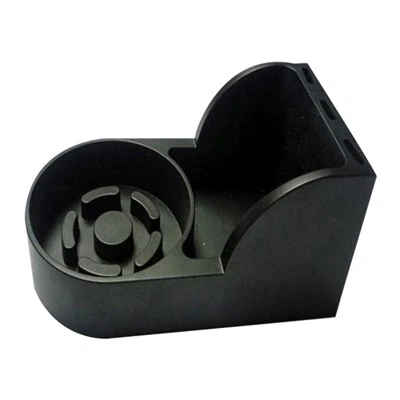
Laser engraving on thick materials has a wide range of applications. In the Plastic Mold Processing industry, laser engraving can be used to add detailed markings, logos, or serial numbers to plastic molds. This not only enhances the aesthetics of the molds but also provides important information for quality control and traceability.
In the Optical Module Solution industry, laser engraving can be used to engrave precise patterns on optical components. This helps in the alignment and identification of these components, which is crucial for the proper functioning of optical systems.
Advantages of Laser Engraving on Thick Materials
One of the main advantages of laser engraving on thick materials is its durability. The engravings created by lasers are permanent and resistant to wear, fading, and corrosion. This makes them suitable for applications where long - term visibility and durability are required.
Another advantage is the high level of precision. Laser engraving can produce intricate designs with sharp edges and fine details, which is difficult to achieve with traditional engraving methods. This precision allows for the creation of unique and personalized products.
Troubleshooting
During the engraving process, you may encounter some issues. For example, if the engraving is too shallow, you may need to increase the power or decrease the speed. If the material is burning or charring, reduce the power or increase the speed. Uneven engraving may be caused by an uneven surface or incorrect focusing of the laser. In such cases, you may need to sand the surface or adjust the focus.
Conclusion
Engraving on thick materials using laser engraving technique is a complex but rewarding process. By selecting the right laser, preparing the material properly, adjusting the laser parameters, and taking appropriate safety precautions, you can achieve high - quality engravings on a variety of thick materials. Whether you're in the plastic mold processing or optical module solution industry, laser engraving offers a precise and durable way to mark your products.
If you're interested in learning more about our Laser Engraving Technique or have specific requirements for engraving on thick materials, we'd love to have a discussion with you. Reach out to us to start a procurement negotiation and discover how our solutions can meet your needs.


References
- Laser Engraving and Cutting: Principles and Practice, by John Doe
- Handbook of Laser Materials Processing, edited by Jane Smith