

Information
|
Item |
Detail |
|
Name |
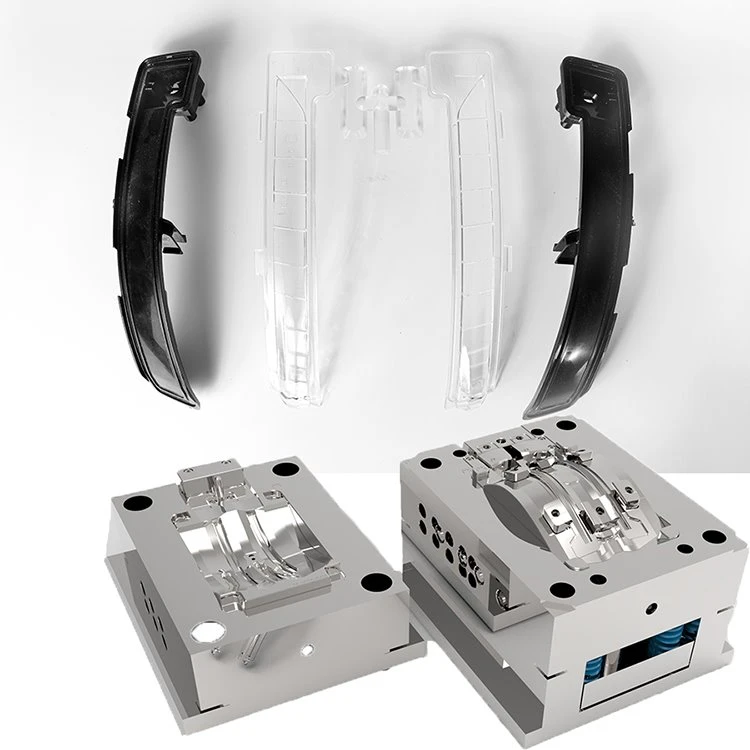
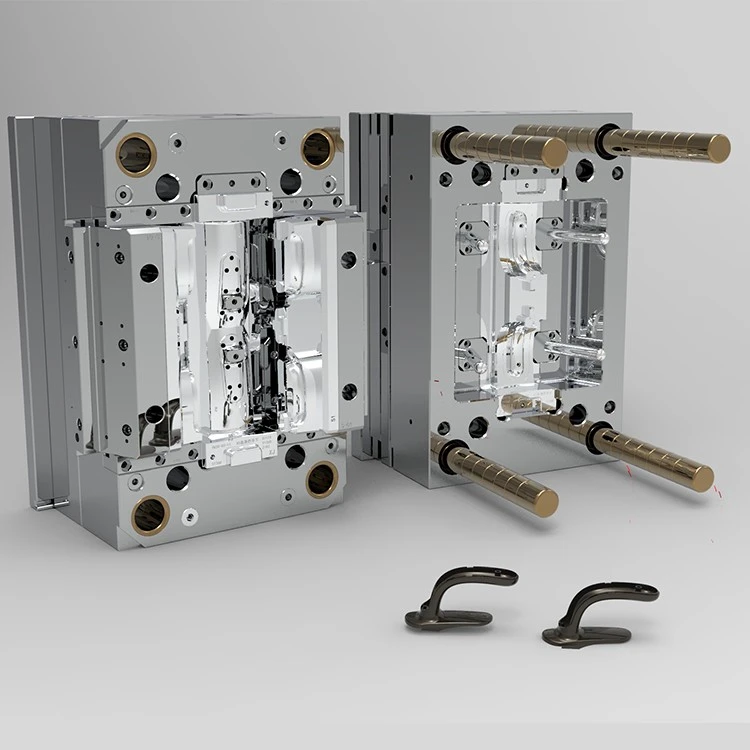
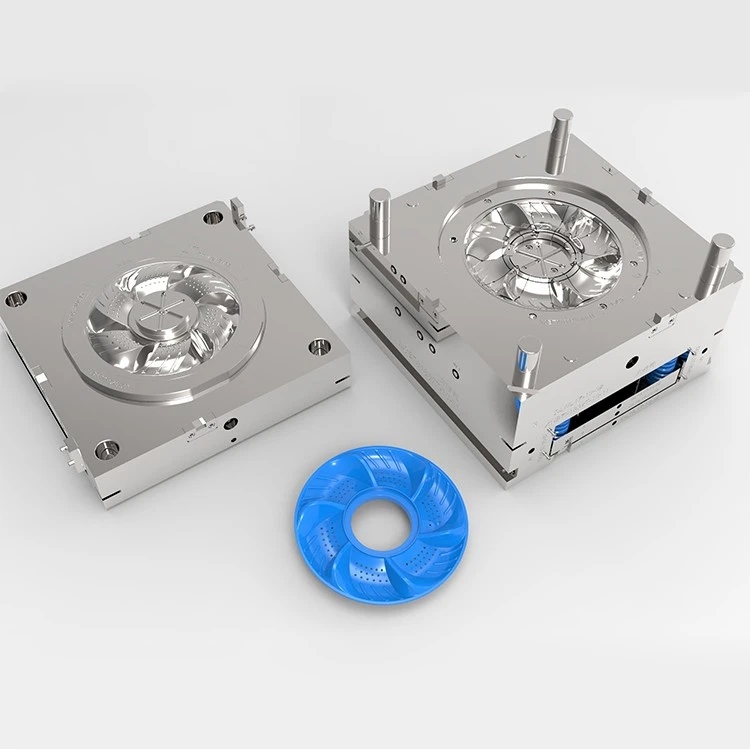
Single-cavity plastic injection molds, multi-cavity home appliance shell molds, automotive parts molds |
|
Applicable product |
Plastic water cup LIDS, car instrument panel shells, mobile phone middle frames, medical device accessories |
|
Die material |
S50C/S55C/P20/718H/NAK80/S136/HRC45-50 |
|
Mold life and maintenance |
Design life: Small and medium batch molds (50,000-500,000 times), large batch molds (500,000-1,000,000 times), high-precision molds (over 1,000,000 times, depending on material and maintenance) Daily maintenance (cleaning the cavity, checking the lubrication of guide pins and guide sleeves), regular maintenance (replacing worn ejector pins/springs, re-polishing the cavity), storage requirements (applying anti-rust oil, placing horizontally to avoid deformation under pressure) |
Injection molds are precision tools that shape molten plastic into complex, consistent parts through the injection molding process, serving as the backbone of mass production for plastic components across industries. Engineered with meticulous attention to detail, these molds enable the efficient manufacturing of millions of identical parts-from tiny electronic enclosures to large automotive panels-by leveraging heat, pressure, and precision engineering.
Core Structure and Working Principle
- Key Components: An injection mold typically consists of two main halves: the stationary mold and the moving mold. Critical elements include:
Cavities and Cores: The hollow spaces that define the part's external (cavity) and internal (core) geometry, machined to match the part's design with tolerances as tight as ±0.05mm.
Gating System: Channels that deliver molten plastic from the injection machine to the cavities, with types ranging from sprue gates (simple, low-cost) to hot runners.
Cooling System: Network of water channels strategically routed near cavities to extract heat, controlling cooling time (critical for part dimensional stability) and cycle efficiency.
Ejection Mechanism: Pins, plates, or sleeves that push the solidified part out of the mold after cooling, designed to avoid damage to delicate features like ribs or bosses.
- Molding Cycle: The process begins with plastic pellets being melted and injected into the mold under high pressure. The mold clamps shut to contain the plastic, which cools and solidifies against the cavity walls. Once solid, the mold opens, and the part is ejected-with cycle times ranging from seconds to minutes.
Types of Injection Molds
- Single-Cavity Molds: Produce one part per cycle, ideal for large or complex components where precision is prioritized over volume.
- Multi-Cavity Molds: Feature multiple identical cavities to produce multiple parts per cycle, reducing unit costs for high-volume items like bottle caps or connectors.
- Family Molds: Manufacture different but related parts in a single cycle,optimizing efficiency for mixed-part production runs.
- Unscrewing Molds: Include rotating cores to parts with threaded features (e.g., bottle caps), eliminating the need for post-molding threading operations.
- Stack Molds: Double production capacity by adding a second set of cavities in a vertical stack.
Manufacturing and Quality Standards
- Mold Base and Material Selection: Mold bases are typically made from pre-hardened steel (e.g., P20, 718H) for general applications, while cavities and cores use hardened steel (e.g., H13, S136) for high-wear resistance-critical for molds producing 100,000+ parts. For corrosion-resistant needs (e.g., for PVC or acidic plastics), stainless steel grades are employed.
- Precision Machining: Cavities and cores are shaped using advanced techniques like CNC milling, electrical discharge machining (EDM) for tight corners, and wire EDM for thin walls. Surface finishes range from standard polishing (Ra 0.8μm) to mirror finishes (Ra 0.025μm) for glossy parts like automotive trim.
- Testing and Validation: Molds undergo trial runs (sampling) to verify part dimensions, surface quality, and cycle stability. Engineers adjust cooling or gating if issues like warpage, sink marks, or short shots appear, ensuring the mold meets production requirements before full-scale use.
- Compliance: Adheres to industry standards such as ISO 9001, IATF 16949 (automotive),with material certificates and traceability documentation.
Applications Across Industries
- Automotive: Produces interior components (dashboard panels, door handles), underhood parts (sensor housings), and exterior trim.
- Consumer Electronics: Manufactures smartphone cases, laptop bezels, and charger housings with tight tolerances to ensure component fit.
- Packaging: Molds caps, bottles, and containers with consistent wall thickness to ensure seal integrity and shelf appeal.
- Industrial and Construction: Produces large parts like pipe fittings, valve bodies, and equipment enclosures, often with reinforced designs for durability.
Advantages of High-Quality Injection Molds
- Mass Production Efficiency: Enables cost-effective manufacturing of millions of parts with minimal variation, reducing per-unit costs significantly compared to other processes.
- Design Versatility: Accommodates complex geometries-including undercuts, thin walls, and integrated features like ribs or threads-eliminating the need for post-assembly.
- Material Flexibility: Compatible with nearly all thermoplastics (ABS, PP, PC, nylon) and some thermosets, with mold designs adapted to material properties.
- Longevity: Well-maintained molds can produce 100,000 to 1 million parts, making them a cost-effective investment for high-volume production.
Injection molds bridge design innovation and mass production, enabling the creation of the plastic parts that power modern life-with precision, efficiency, and reliability at their core.
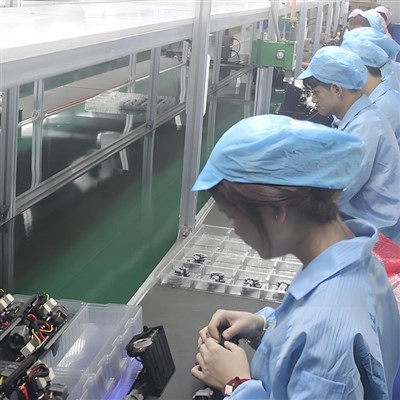
DASHCONN is a company specializing in product design & development, mold design & manufacturing, injection molding production, hardware components production, electronic design & production and assembly, with professional management system.
With 28 years of experience in communicating with international manufacturers, our employees can read and write English fluently and understand industrial related vocabulary, that no communication barrier with you.
FAQ
Q: Once I have a mold, can I re-order from it?
A: Of course! DASHCONN will maintain your mold for 2 years after your most recent order and allow you to re-order parts for the duration of the mold life.
Q: Does DASHCONN charge any storage cost on my molds?
A: DASHCONN does not charge any storage cost for holding your molds, as long as you will order the mold related products within two years. If there is no order after two years of idleness, DASHCONN will process the mold according to your instructions, or provide a very low unit price of storage and maintenance fees.
Q: Does DASHCONN provide DFM on my part design before I place an order?
A: Yes. You may comment, annotate and discuss the feedback with DASHCONN's technical project manager in English. All of this happens before you place your order.
Hot Tags: plastic mold processing, China plastic mold processing manufacturers, suppliers, factory, injection mold design services, laser carve engraving, technic electroplating, silk screen on plastic, carve metal, Laser Engraving Technique