Information
|
Item |
Detail |
|
Name |
Plastic water cup LIDS, car instrument panel shells, mobile phone middle frames, medical device accessories, etc |
|
Raw material |
PP (polypropylene), ABS (acrylonitrile butadiene-styrene copolymer), PC (polycarbonate), PA66 (nylon 66), POM (polyoxymethylene) or other specified grades |
|
Injection molding machine |
Horizontal injection molding machines: 120t-380t |
|
Quality control |
There are no burrs, shrinkage marks, bubbles or material shortages. The scratch length is ≤2mm, the color is uniform (color difference ΔE≤3), and the gloss meets the standard sample |
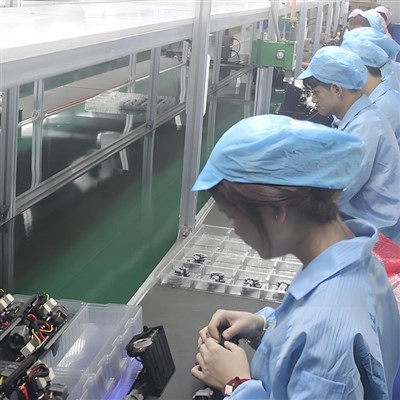
Injection molding production is a highly efficient manufacturing process that transforms plastic pellets into complex, high-volume parts using specialized machinery and precision molds. This versatile process is widely adopted across industries for its ability to produce consistent, durable components with tight tolerances, making it a cornerstone of modern plastic manufacturing.
Core Production Process
The injection molding cycle consists of several key stages, each optimized for efficiency and precision:
- Material Preparation: Thermoplastic pellets (e.g., ABS, PP, PC) are dried to remove moisture (critical for materials like nylon, which absorb water) and fed into the injection machine's hopper. The pellets are then melted in a heated barrel using rotating screws that mix and homogenize the molten plastic.
- Injection: The molten plastic is injected into a closed mold cavity under high pressure via a nozzle. The screw acts as a plunger, ensuring the material fills every detail of the mold-from intricate textures to thin walls. Injection speed and pressure are precisely controlled to avoid defects like air traps or flash.
- Cooling: Once the mold is filled, the plastic is cooled and solidified using water-cooled channels within the mold. Cooling time depends on part thickness and material, with engineers optimizing cycle times to balance productivity and part quality.
- Ejection: After cooling, the mold opens, and ejector pins push the solidified part out of the cavity. The part is then inspected, with any excess material collected for recycling-reducing waste and material costs.
Key Equipment and Technology
- Injection Machines: Classified by clamping force to match mold size and part requirements. Modern machines feature servo-electric or hybrid drives for energy efficiency and precise control over injection parameters.
- Mold Systems: As detailed in the injection mold introduction, molds are custom-designed for each part, with features like hot runners (to minimize waste), side-action cores, and stack molds (to double production capacity).
- Auxiliary Equipment: Includes material dryers, granulators, robots for automated part removal.
Technical Advantages
- High-Volume Production: Capable of manufacturing thousands to millions of identical parts with minimal variation, making it ideal for mass-market products like bottle caps, automotive components, and consumer electronics.
- Complex Geometry Capability: Produces parts with intricate features-such as internal threads, ribs, and bosses-without the need for secondary machining, reducing production time and costs.
- Material Versatility: Compatible with a wide range of thermoplastics, including engineering resins (e.g., PEEK, nylon) and composites for enhanced strength, heat resistance, or conductivity.
- Cost Efficiency: Low per-unit costs at scale, thanks to fast cycle times (as short as 10 seconds for small parts) and minimal labor requirements (automated systems handle most operations).
Quality Control and Standards
- In-Process Monitoring: Sensors in the injection machine track variables like melt temperature, injection pressure, and cooling time, alerting operators to deviations that could affect part quality. Advanced systems use AI to predict and prevent defects in real time.
- Post-Production Inspection: Random samples from each production run are tested for dimensional accuracy, mechanical properties, and surface quality (to detect flash, warpage, or sink marks).
- Compliance: Adheres to strict industry standards, including ISO 9001 (quality management), IATF 16949 (automotive production). Materials are traceable, with certificates of analysis provided for each batch.
Applications Across Industries
- Automotive: Produces interior parts (dashboard panels, seat adjusters), exterior components (camera bracket, mirror housings,lampshade), and Internal decorative parts using durable, heat-resistant plastics.
- Consumer Electronics: Manufactures smartphone frames, laptop casings, and charger enclosures with tight tolerances to ensure proper fit and functionality.
- Packaging: Produces caps, bottles, and containers with consistent wall thickness and seal integrity, ensuring product freshness and safety.
- Industrial and Construction: Manufactures heavy-duty parts like pipe fittings, valve bodies, and equipment housings, using reinforced plastics for strength and durability.
FAQ
Q: Is injection molding a good option for prototyping?
A: Injection molding could absolutely be used for prototyping, but it depends on the project requirements. Typically, for projects that require less than 10 prototypes, injection molding may not be the most cost-effective option. We are happy to discuss your needs with you, and help determine if injection molding is the correct process for you.
If needs to determine the availability of plastic parts in small batches, we will also recommend our 3D printing service.
Q: What is the minimum order quantity for injection molding?
A: DASHCONN is happy to offer you injection molding services with NO minimum order quantity.
Q: Does DASHCONN provide a no-obligations estimate for my injection molding project?
A: Absolutely. As long as you are able to provide project requirements and part specifications, DASHCONN is happy to provide a no-obligation quotation.
Hot Tags: injection molding processing services, China injection molding processing services manufacturers, suppliers, factory, injection mold design services, laser carve engraving, technic electroplating, silk screen on plastic, carve metal, Laser Engraving Technique